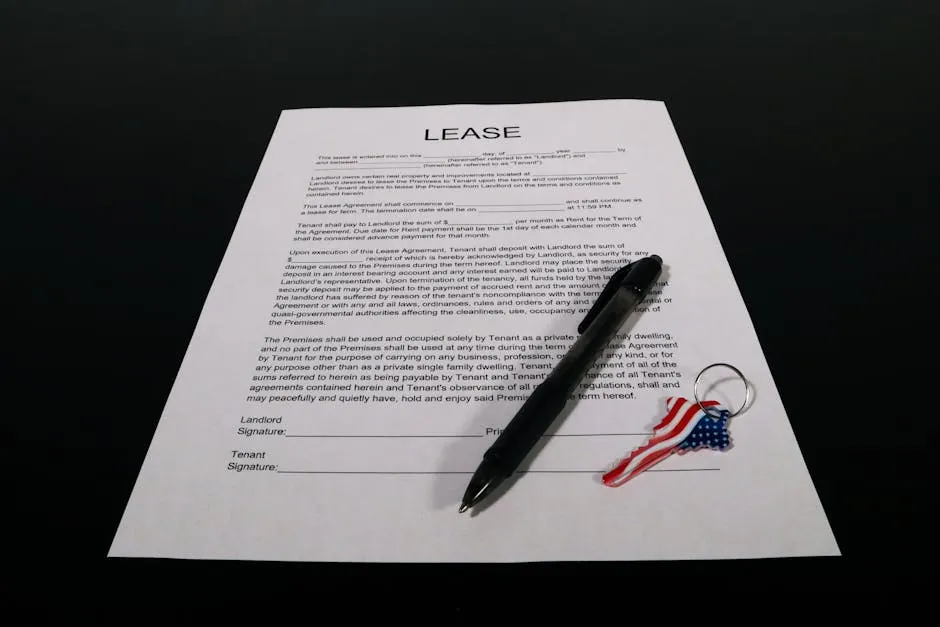
UK rental properties are offered as either short-lets (flexible, weeks to a few months) or long-lets (typically 12-month Assured Shorthold Tenancies). For students, the distinction matters: short-lets cost more, offer flexibility, and provide fewer legal protections; long-lets are cheaper, stable, but less flexible. Understanding both helps you choose the right contract.
Short-let vs. long-let: quick comparison
| Feature | Short-Let | Long-Let (AST) |
|---|---|---|
| Duration | 2 weeks–6 months (usually) | 12 months (fixed-term) |
| Notice to end | Variable; often 1–2 weeks | 2 months (statutory minimum) |
| Cost per week | Higher (15–30% premium) | Lower (baseline) |
| Deposit | Holding deposit often required | 5 weeks’ rent max |
| Tenant protections | Fewer (can be evicted faster) | Full (AST protections) |
| Flexibility | High (leave anytime with notice) | Low (unless break clause exists) |
| Best for | Temporary stays, summer sublets | Full academic year, stability |
| Furnished | Usually fully furnished | Varies (unfurnished/furnished) |
Short-lets: definition, costs, and uses
A short-let is accommodation rented for a fixed period under 3 months, though some extend to 6 months. Short-lets typically:
- Are fully furnished (bed, sofa, kitchen).
- Include utilities and internet.
- Allow flexible move-in/move-out.
- Are managed by property managers or Airbnb-style platforms.
Cost premium: Short-lets cost 15–30% more than long-lets because landlords prioritize flexibility and higher turnover. A flat costing £100/week on a 12-month lease might cost £130/week on a 2-month short-let.
When students use short-lets:
- Between-year accommodation: Summer break between first and second year (2–3 months).
- Arrival before formal housing: International students arriving early (July/August) before halls/flats open (September).
- Postgraduate transitions: Starting a course mid-year (January, April).
- Emergency housing: Homelessness due to housing crisis or relationship breakdown.
- Trial stays: First week or two while you decide on longer-term housing.
Example cost: summer short-let
- Location: Manchester
- Duration: 8 weeks (June–August)
- Short-let rate: £120/week
- Total: £960 for the summer
- Long-let equivalent (12 months): £85/week × 52 = £4,420/year (average per week: £85)
- Short-let premium: 41% higher per week
Long-lets: the standard student rental
A long-let is typically a 12-month Assured Shorthold Tenancy (AST)—the legal standard for UK rentals. However, for students, variations exist:
Standard 52-week lets: Rent spread across a full calendar year (January–December). Most student lets now run on this basis.
Academic-year lets: Some properties are let for 40–44 weeks (September–June), with bills included and cheaper weekly rates. These are less common now but still available for university-managed properties.
Fixed-term with break clauses: 12-month contract but you can exit after 6 months with 2 months’ notice (common in student housing).
Benefits of long-lets:
- Lower weekly cost (baseline rates, no premium).
- Full tenant protections under AST law.
- Stable housing throughout your study period.
- Time to build community and relationships with housemates.
- Ability to decorate/personalize the space.
Downsides of long-lets:
- Commitment: You’re responsible for 12 months even if circumstances change.
- Break clauses cost money (typically 4–8 weeks’ rent penalty).
- Moving out mid-year often requires finding a replacement tenant (your legal obligation).
- Longer notice periods (2 months statutory) for departures.
Deposit protection: short-let vs. long-let
Long-lets (AST): Your tenancy deposit (5 weeks’ rent max) must be protected under TDS, DPS, or MyDeposits within 30 days. You receive a Protection Certificate detailing the scheme and dispute process. Non-compliance is a breach; you can claim compensation up to 3x the deposit.
Short-lets: Legally murky. Short-lets (under 3 months) often fall outside the AST framework, meaning:
- Deposits may not be protected (higher risk of losing money).
- Landlords can deduct “admin fees” without itemization.
- Dispute resolution is via small claims court (costly and slow).
Critical: Always confirm deposit protection before paying for a short-let. Request the scheme name and Protection Certificate in writing.
Breaking a long-let early: costs and processes
If you want to exit a long-let before 12 months:
Option 1: Break clause
- Typical break clause: “After 6 months, exit with 2 months’ notice and payment of 4 weeks’ rent penalty.”
- Process: Give written notice; pay penalty; leave.
- Cost: 4–8 weeks’ rent (e.g., £400–£800 for a £100/week flat).
Option 2: Find a replacement tenant
- You locate a new tenant; landlord interviews and approves.
- You’re released from the lease; replacement takes over.
- Cost: £0 if successful; effort-heavy.
- Risk: Landlord refuses replacement; you remain liable.
Option 3: Negotiate early exit
- Ask landlord for early release (especially if break clause penalty is high).
- Offer to find and vet a replacement.
- Propose paying a reduced penalty.
- No guarantee of success; depends on landlord’s flexibility.
Option 4: Assign the tenancy
- Legal transfer of your lease to another person (different from subletting).
- Requires landlord’s written consent (can’t be unreasonably withheld).
- Breaks your liability chain; new tenant becomes liable.
Breaking early is costly and legally complex. Most students accept the commitment or pay the penalty.
Subletting vs. assigning: key differences
Subletting: You stay on the lease but rent out your room to someone else. You remain liable to the landlord. The subtenant pays you rent; you pay the landlord.
Assigning: You exit the lease entirely; new tenant replaces you on the original lease. You have no further liability.
Many tenancy agreements allow subletting but restrict full assignment (landlord consent required). Check your contract.
Short-let platforms and risks
Airbnb, Booking.com, SpareRoom short-let listings:
- Usually unprotected deposits.
- Landlord access may be retained (for “cleaning turnover”).
- Unclear cancellation policies.
- Check-in times strictly enforced; late checkout fees common.
University/PBSA summer short-lets:
- Usually protected and well-managed.
- Clear terms and reasonable flexibility.
- Higher cost but lower risk.
For summer accommodation, prioritize PBSA summer lets (Unite, IQ) or university-managed short-lets over Airbnb.
Cost analysis: short-let vs. long-let for a full year
Scenario: International student, full academic year (September–August)
Option 1: Short-lets (3 months each)
- Sept–Nov: 12 weeks in autumn term short-let @ £120/week = £1,440
- Dec–Jan: Winter break back home; no rent
- Feb–May: Spring term short-let @ £120/week = 16 weeks = £1,920
- June–Aug: Summer short-let @ £130/week = 12 weeks = £1,560
- Total: £4,920 for 40 weeks of housing
Option 2: Long-let (52-week AST)
- 12-month lease @ £85/week = £4,420
- Total: £4,420 for 52 weeks of housing
Long-let is cheaper even including unused summer weeks. Short-lets suit those planning to go home during breaks.
When to choose short-lets vs. long-lets
Choose short-let if:
- You’re arriving mid-year or temporarily (summer break).
- You’re uncertain about commitment (postgrad considering further study).
- You want to avoid long-term binding contracts.
- Flexibility is more valuable than cost savings.
Choose long-let if:
- You’re a first-year student studying the full academic year.
- You want the lowest weekly cost.
- You want stable, integrated housing with housemates.
- You’re staying in the UK for multiple years.
Key questions before signing
- Is this a short-let or long-let AST? (Affects your legal protections.)
- Deposit protection: Which scheme (TDS/DPS/MyDeposits)?
- Notice period: How much notice to end the tenancy?
- Break clause (if applicable): When can I exit? What’s the penalty?
- What’s included: Utilities, furniture, WiFi?
- Cancellation: If I need to cancel before move-in, what happens to my deposit?
Sources
- GOV.UK: Assured Shorthold Tenancy rules and deposit protection.
- UKCISA: Short-let and long-let guidance for international students.
- The Deposit Protection Service, DPS, MyDeposits: Short-let deposit protection.
- Shelter: Breaking a tenancy early and subletting.
- Citizens Advice: Tenant rights and contract types.
Last updated: 2025-08.