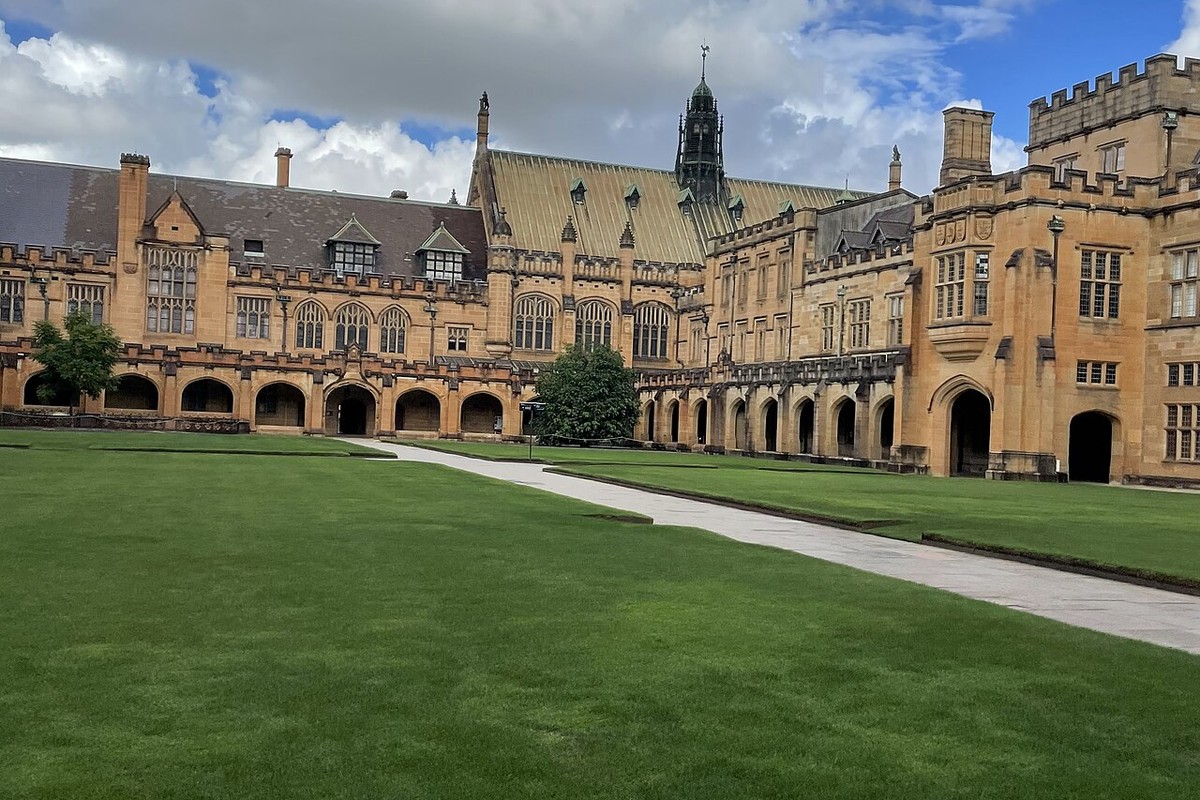
Once you’ve received university offers, most universities invite you to attend an open day or offer holder event. These events, typically held in March–May (after offers are released but before you confirm your firm choice in June), are opportunities to visit campus, meet academic staff and current students, explore facilities, and assess whether the university suits you. For international students, visiting the UK during offer holder events is particularly valuable, as it’s often the first time you’ll see your potential university in person.
What Are Offer Holder Days?
Offer holder events are tailored to students who’ve received offers, distinguishing them from general open days (which are open to anyone considering applying). While open days have large crowds and broad-brush information sessions, offer holder events are more intimate and subject-specific. You might attend a tour led by current physics students, sit in on a seminar, talk to academic supervisors, and explore your specific department in depth.
Some universities call these “open days”; others use “visit days,” “departmental open days,” or “offer holder events.” The terminology varies, but the concept is similar: an opportunity for offer holders to become familiar with the institution before committing.
Typical Schedule of an Offer Holder Day
A typical offer holder event runs 9:00 AM–4:00 PM and follows a structured agenda:
Morning (9:00–12:00)
- Registration and welcome by senior academic staff
- Campus-wide presentation (student life, accommodation, student support services)
- Academic presentations by departmental staff (specific to your chosen subject)
Midday
- Lunch (often free, a chance to eat alongside current students)
- Subject-specific tours of laboratories, libraries, or facilities
Afternoon (13:00–16:00)
- Small group tutorials or sample lectures in your subject
- Meetings with academic supervisors (at Oxbridge, with your potential tutor)
- Student panel discussion (current undergraduates answer questions)
- Campus tour, led by student ambassadors
- Optional departmental socials or informal meet-and-greets
Most events include plenty of unstructured time to explore campus independently and chat with current students. This informal interaction is often the most valuable part—you can ask blunt questions (“What’s the social life really like?” “Is the teaching as good as they claim?”) to students without formality.
Why Attend Offer Holder Events?
1. Confirm the university is right for you: Reading a website or prospectus doesn’t convey campus culture, social atmosphere, or teaching quality. Being there physically—walking the corridors, sitting in the library, observing how students interact—gives you genuine insight. Some students fall in love with a university in person; others realize it’s not the right fit.
2. Meet academic staff and potential supervisors: At Oxbridge, you’ll meet your assigned college tutor. At other universities, you may meet your department’s personal tutor or module leaders. These brief conversations can reassure you about teaching quality and help you understand academic expectations.
3. Assess facilities firsthand: Campus facilities described as “state-of-the-art” in prospectuses can be impressive or underwhelming in person. You can assess library quality, lab facilities, accommodation standards, and computing resources yourself.
4. Network with current students: Speaking to second- and third-year undergraduates gives you unfiltered insight into real student life. They’re willing to discuss workload, social opportunities, mental health support, and honest advice about the university. This peer perspective is invaluable.
5. Clarify logistical questions: You can ask specific questions (visa sponsorship, accommodation timelines, course structure) to current staff who can answer definitively.
6. Distinguish between similar offers: If you’ve received offers from multiple comparable universities, attending both visit days helps you compare culture, facilities, and fit.
Should International Students Attend in Person?
Attending in person is ideal but not always feasible for international students. Flights and accommodation add cost (typically £800–1,500 for flights + accommodation for a weekend visit from overseas). However, many universities recognize this burden and offer alternatives:
Virtual tour options: Most universities offer recorded or live-streamed campus tours, allowing international students to explore remotely.
Online information sessions: Departmental staff hold online Q&A sessions; you can ask questions about your specific programme without traveling.
One-on-one meetings: Many universities arrange video calls between offer holders and academic staff, particularly for postgraduate or competitive programmes.
That said, if you can afford to visit and have a genuine chance of attending the university, in-person attendance is worth the investment. You get a visceral sense of place that no virtual tour provides.
What to Do at an Offer Holder Day
Come with specific questions: Don’t rely on generic presentations. Prepare questions about your programme, teaching style, workload, and career support. For example: “What percentage of graduates go into further study vs. professional work?” or “How much of the course involves practical lab work vs. lectures?”
Talk to current students: Ask them about social life, student support, workload, and their genuine experience. Ask: “What surprised you about studying here?” or “If you could change one thing, what would it be?”
Meet your academic supervisor (if available): At Oxbridge, you may be assigned a college tutor; meet them if scheduled. Ask about their research, teaching philosophy, and expectations.
Explore independently: Spend time walking the campus without a guided tour. Sit in the library. Walk through student accommodation. Get a feel for the place beyond the formal schedule.
Attend the student panel: Current undergraduates are typically more candid in panel discussions, particularly when asked challenging questions. Listen for consistency in what they say about the university.
Take notes or photos: Remember specific details (library opening hours, accommodation features, departmental contact information) while you’re there.
What Offer Holder Events Won’t Tell You
Offer holder days are curated to present the university positively. Don’t expect balanced perspectives on limitations or problems. For instance, universities won’t volunteer information about high dropout rates (though you can find this in published statistics), poor mental health support (though HESA surveys track student satisfaction), or weak career outcomes for specific subjects (visible in league tables).
Do your own research post-visit. Check student satisfaction surveys (National Student Survey, published annually), league tables by subject, and independent reviews. Cross-reference what you heard at the event with publicly available data.
The Offer Holder Event and Your Decision
Attending offer holder events shouldn’t be your sole basis for choosing between universities—grades, subject strength, career outcomes, and financial factors matter. However, the experience can tip the scales if you’re genuinely torn between two comparable offers. If a campus visit leaves you feeling excited and confident about studying there, that’s genuine information worth valuing.
Conversely, if you visit and feel disconnected from the university, that’s also valid. Some students choose universities without visiting (common for international students); others change their mind after visiting. Either is reasonable.
Logistics for International Students
Timing: Offer holder events typically occur March–May, after you’ve received offers but before your June decision deadline. Plan to visit 2–3 weeks before your decision deadline so you have time to reflect afterward.
Cost: Flights, accommodation, meals, and travel add up. Some universities cover accommodation for visiting international students; ask directly when you receive your invitation. Some also offer small bursaries for international visitors.
Coordination: If you’re considering multiple UK universities, consider attending multiple events during a single trip (e.g., LSE and UCL in London on consecutive days). This reduces travel costs.
Visa: If you’re not already in the UK, you’ll need a valid visitor visa. Most international students applying from overseas have visa-free travel to the UK for short visits (check your country’s requirements); others need to apply for a visitor visa, which can take 4–8 weeks. Start this process early if needed.
If You Can’t Attend in Person
Most universities understand that international students face logistical barriers. Alternatives include:
- Requesting one-on-one video meetings with admissions tutors or academic supervisors
- Watching recorded campus tours (many universities publish these on YouTube)
- Attending online Q&A sessions with current students
- Contacting the international student support office with specific questions
Not attending in person won’t harm your application or offer; it’s understood that geography and cost create barriers.
Sources
UK Universities’ Open Day and Offer Holder Event Schedules (UCAS portal); National Student Survey 2024 (independent student satisfaction data); HESA Student Outcomes Survey (career outcomes by subject and institution); Individual university websites and prospectuses.
Last updated: 2025-09.