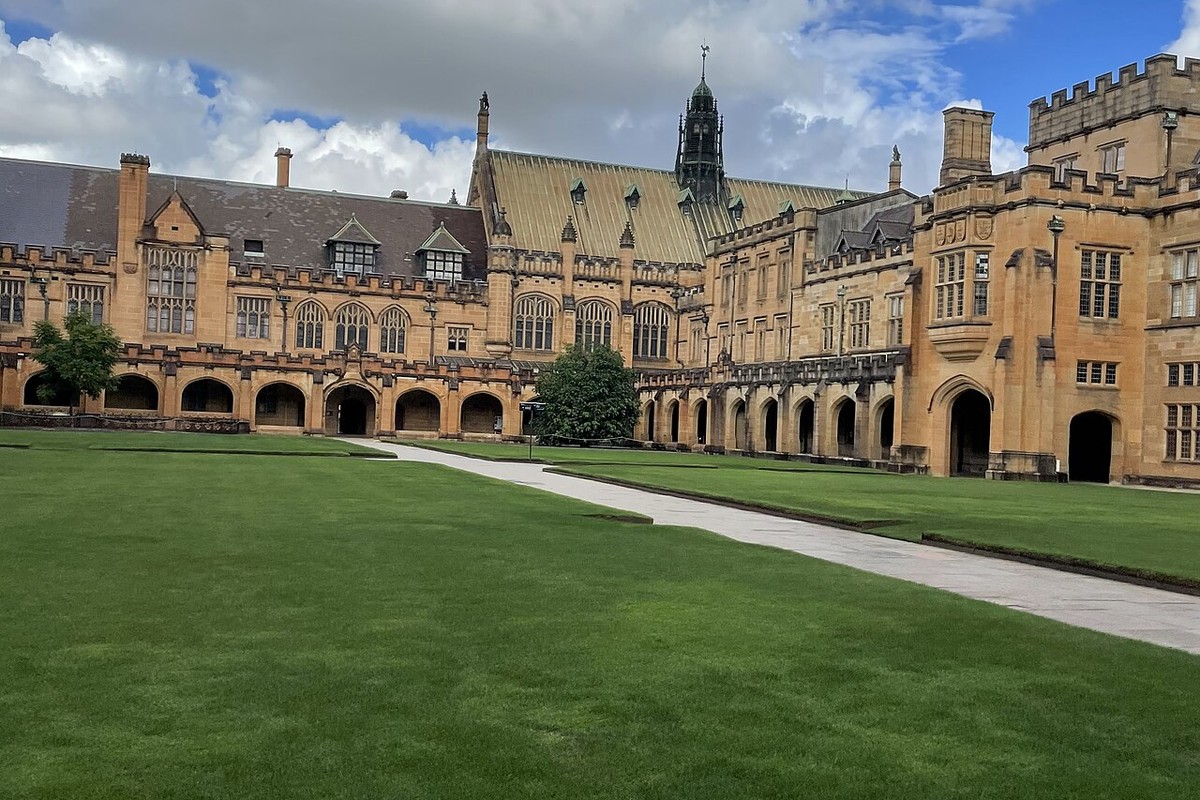
Wales’s three main universities—Cardiff University, Swansea University, and Bangor University—offer quality higher education at lower costs than English universities. They’re less internationally renowned than G5 institutions or Edinburgh, but they’re legitimate alternatives offering excellent value, strong research in specific clusters, and distinct Welsh cultural experiences. For international students prioritizing affordability and solid academic quality, Welsh universities merit consideration.
Overview of Welsh Universities
Cardiff University: The largest and most prestigious Welsh university. Located in Cardiff (Wales’s capital), it ranks in the UK top 30 and globally in the top 180. It’s a Russell Group member (since 2010), reflecting its research strength. Approximately 31,000 students attend; roughly 5,000 are international.
Swansea University: Located in Swansea (south Wales coast), it ranks in the UK top 60 and globally in the top 400. It’s research-active with particular strength in engineering and sciences. Approximately 20,000 students; roughly 3,000 international.
Bangor University: Located in Bangor (north Wales, Snowdonia region), it’s smaller and more teaching-focused. It ranks in the UK top 80 and is known for humanities and environmental sciences. Approximately 10,000 students; roughly 1,200 international.
None of these universities match the global prestige of G5 or Edinburgh, but they’re reputable, research-active institutions offering quality education.
Tuition Fees for International Students
Welsh universities charge international students below the English average:
| University | STEM | Humanities | Medicine |
|---|---|---|---|
| Cardiff | £18,000–£25,000 | £14,000–£19,000 | £24,000–£32,000 |
| Swansea | £15,000–£21,000 | £12,000–£17,000 | £20,000–£27,000 |
| Bangor | £13,000–£18,000 | £10,000–£15,000 | N/A |
These fees are substantially lower than London universities (which often exceed £30,000 for STEM) and notably lower than even non-London Russell Group universities. For international students with cost constraints, this is a meaningful advantage.
Cost of Living in Wales
Living costs in Wales are considerably lower than in England:
Cardiff: £11,000–£14,000/year (accommodation, food, transport, incidentals). Cardiff is growing and cosmopolitan but far cheaper than London or Manchester.
Swansea: £10,000–£13,000/year. A coastal town with lower costs than major cities.
Bangor: £9,000–£12,000/year. Rural location, dramatic scenery (Snowdonia), minimal cost of living.
Combined with lower tuition, Welsh universities are significantly cheaper than English universities overall. Total first-year costs (tuition + living):
- Cardiff STEM: ~£43,000–£50,000
- Swansea STEM: ~£35,000–£42,000
- Bangor STEM: ~£31,000–£36,000
Compare to London universities, where tuition + living easily exceeds £50,000 in year one.
Cardiff University: Wales’s Premier Institution
Cardiff is the strongest Welsh university by global standing. It ranks in the UK top 30 (QS 2025, position 26) and is recognized internationally. Key strengths include:
Journalism and Media: Cardiff has an internationally recognized journalism school, ranked top 10 globally.
Engineering: Strong across disciplines. Mechanical, civil, and electrical engineering programmes are competitive and well-regarded.
Sciences: Physics, chemistry, biology are solid and research-active.
Law and Business: Respectable but not at the level of specialized law schools (LSE, King’s) or business schools.
Admission standards: Approximately 15–20% acceptance rate at undergraduate level. A-level entry typically AAB to A*AB depending on subject. Substantially less selective than G5 but more selective than many regional universities.
Campus: Cardiff’s campus is integrated into the city centre, adjacent to parks and museums. Accommodation is available and affordable.
International profile: Cardiff attracts roughly 5,000 international undergraduates and postgraduates, creating an established international community and support systems.
Swansea University: Engineering Emphasis
Swansea’s distinctive strength is engineering, particularly mechanical and civil engineering. It ranks in the global top 400 and UK top 60. Key characteristics:
Engineering reputation: Swansea’s engineering programmes are researched-backed and well-regarded, particularly in materials science and aerospace applications. The university has partnerships with Airbus and other major engineering firms.
Sciences: Physics and chemistry programmes are respectable and research-active.
Business and Management: Growing but less distinctive than engineering.
Admission standards: Approximately 20–25% acceptance rate. A-level entry typically ABB to AAB. Notably less selective than Cardiff.
Campus: Swansea’s main campus is on the beach (Singleton Park), offering distinctive coastal living. Accommodation is available and affordable.
International profile: Smaller international cohort than Cardiff (approximately 3,000 internationally), reflecting lower global prestige, but growing.
Bangor University: Teaching-Focused and Niche Strong
Bangor is the smallest and most teaching-focused of the three. It ranks in the UK top 80 and is particularly strong in specific humanities and environmental fields. Key characteristics:
Strengths: Psychology, education, environmental sciences, marine sciences are particularly strong. Bangor is known for excellent teaching and strong student-faculty ratios.
Location: Bangor is in north Wales near Snowdonia National Park—stunning natural environment but remote from major UK cities.
Admission standards: Approximately 30–40% acceptance rate. A-level entry typically BBB to ABC. Much less selective than Cardiff or Swansea.
Campus: Small, cohesive campus with strong community atmosphere. Accommodation is reliably available and very affordable.
International profile: Smaller international cohort (~1,200), reflecting limited global marketing and smaller institution size.
Welsh University Advantages for International Students
1. Cost savings: Tuition and living combined are measurably cheaper than English universities.
2. Less competitive admissions: If you have solid but not top-tier grades, Welsh universities offer admission to reputable institutions where English universities would reject you.
3. Strong teaching culture: Welsh universities emphasize undergraduate teaching; class sizes and tutoring are often generous relative to English universities.
4. Vibrant international communities: Cardiff and Swansea have established international student support systems and cultural diversity.
5. Unique experience: Wales offers distinct cultural experiences (Welsh language, history, landscape) and a less crowded study experience than major English cities.
6. Specific programme strengths: Cardiff’s journalism, Swansea’s engineering, Bangor’s psychology—if your field aligns with a Welsh university’s strength, you’re well-served.
Disadvantages and Realities
1. Global prestige: Welsh universities don’t have the global brand recognition of G5 or Edinburgh. In competitive fields (law, finance), this is a real disadvantage.
2. Fewer employer networks: Grad recruitment by top firms is less visible in Wales. If you’re targeting specific employers (Goldman Sachs, top consulting), you’ll need to be proactive.
3. Geographic location: Wales is geographically peripheral to London and Europe. London is 2–3 hours away by rail. Internships in London require commuting or relocation.
4. Smaller universities: Swansea and Bangor are small, which creates strong community but limits course variety and on-campus social scale compared to large universities.
5. Research scale: While research-active, Welsh universities don’t attract the research funding of Russell Group powerhouses. Postgraduate research funding is less abundant.
Career Outcomes and Employability
HESA graduate tracking (2021–2022 cohort) shows:
- Cardiff: 80% in professional employment or further study within six months
- Swansea: 78% in professional employment or further study
- Bangor: 76% in professional employment or further study
These are respectable but slightly below Russell Group averages (82–85%). The gap widens in highly competitive fields but narrows in practical fields (engineering, education).
Scholarship and Financial Support
Welsh universities offer scholarships for international students, though availability is limited. Cardiff offers slightly more funding options than Swansea or Bangor. However, no Welsh university matches the scholarship availability of major English universities.
Check each university’s international student funding page directly; opportunities vary by subject and nationality.
When to Choose a Welsh University
Choose Welsh if:
- Cost is your primary concern and you want to study in a reputable institution
- You’re applying for a subject where a Welsh university specializes (Cardiff journalism, Swansea engineering)
- You value strong teaching and smaller class sizes
- You want a less competitive admissions process with solid academic credentials
- You’re interested in Welsh culture and landscape
Skip Welsh if:
- You’re targeting positions in finance or law where employer prestige matters significantly
- You want a major research university with abundant postgraduate funding
- You need a large, cosmopolitan city experience
- You’re certain you’ll pursue postgraduate research and need maximum research resources
Sources
Cardiff University Official Website and Admissions Data; Swansea University Official Admissions Information; Bangor University Official Website; HESA Graduate Outcomes Survey (2021–2022 cohort); QS World University Rankings 2025 (Welsh universities); Times Higher Education 2026; Welsh Government Higher Education Statistics; Individual university prospectuses and course pages.
Last updated: 2026-03.