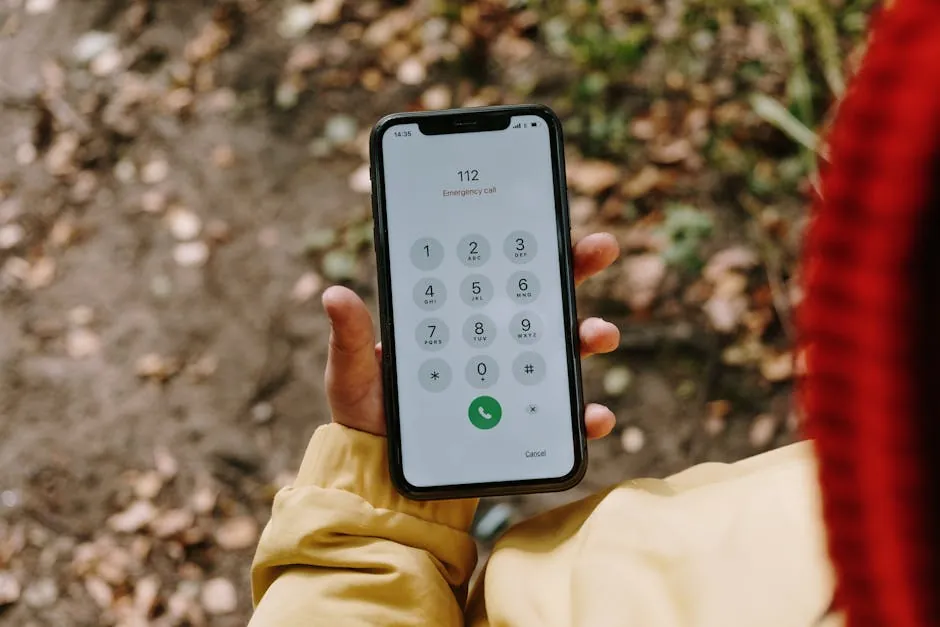
The UK has clear emergency protocols. 999 is for immediate life threats (unconsciousness, severe bleeding, chest pain, violent crime in progress). 101 is for non-emergency police (theft, fraud, noise complaints). 111 is for medical advice (not urgent; answers within 2–4 hours). NHS 999 only calls cost nothing. Most international students don’t know these distinctions and call the wrong number, which delays help. Memorize these numbers before you need them.
The Main Numbers
| Situation | Number | Response Time | Cost |
|---|---|---|---|
| Life-threatening emergency | 999 | <10 min | Free |
| Serious but not immediately life-threatening | 111 | 2–4 hours (not immediate) | Free |
| Police non-emergency | 101 | 24–72 hours | Free |
| Poison/overdose | 111 or 999 | Immediate or 2–4 hours depending on severity | Free |
| Medical advice (out of hours) | 111 | 2–4 hours call-back | Free |
| Mental health crisis | 999 or 111 or Samaritans 116 123 | Varies | Free |
999: Emergency Services (Police, Fire, Ambulance)
Call 999 if:
- Unconsciousness or unresponsiveness
- Chest pain or difficulty breathing
- Severe bleeding or injury
- Choking
- Poisoning or overdose
- Fire or building collapse
- Violent crime in progress
- Road traffic accident with injury
What to expect:
- Call connects to emergency services (usually within 5–10 seconds)
- Operator asks: “Which service do you need: police, fire, or ambulance?”
- You’re transferred to the relevant service
- They ask location, nature of emergency, number of casualties
- Ambulance/fire/police dispatched (usually within 10 minutes for urban areas; up to 30 min for rural)
Tips:
- Stay calm: Speak clearly
- Provide location: Full address, postcode, landmarks (e.g., “outside the library near Market Street”)
- Describe the emergency: “Chest pain,” “unconscious male,” “fire in building”
- Don’t hang up: Stay on the line until told to do so; operator may give life-saving advice
- Send a friend to meet ambulance: If you’re in a large building or campus, send someone to the entrance to meet paramedics (speeds up care)
Response times:
- Urban areas: Ambulance 8–10 minutes; police 15–20 minutes
- Rural areas: Ambulance 20–40 minutes; police 30+ minutes
If you live far from a hospital or services, paramedics will provide first aid on scene and arrange transport.
111: NHS Medical Advice (Not Emergency)
Call 111 if:
- Fever, cough, or cold symptoms (not severe)
- Stomach pain or vomiting (not severe bleeding)
- Rash (not spreading rapidly)
- Sprain or suspected minor fracture
- You need urgent care but not ambulance (advice on whether to visit A&E)
- Out-of-hours GP advice (nights, weekends, bank holidays)
- Sexual health concerns
- Poison exposure (non-life-threatening)
What to expect:
- Call connects to NHS 111 call centre (within 20 seconds)
- Nurse asks about your symptoms
- Nurse decides: “You can self-care,” “Visit walk-in centre,” “Go to A&E,” or “GP urgent appointment tomorrow”
- No cost; free NHS advice
- Call usually lasts 10–15 minutes
Alternative: Use the 111 online service (111.nhs.uk) to check symptoms without calling. It’s often faster if not urgent.
Response time: 2–4 hours for nurse callback (if they decide you need to be called); immediate call-through if urgent.
101: Police Non-Emergency
Call 101 if:
- Theft (stolen phone, laptop, bike)
- Burglary or vandalism
- Fraud or scam
- Noise complaint (loud party next door; noise pollution)
- Lost property
- Suspicious activity (not dangerous)
- Nuisance neighbour
What to expect:
- Call connects to local police (within 1–5 minutes)
- Operator takes details
- Police attend if crime is in progress; otherwise, you’ll receive a call-back within 24–72 hours
- For theft, you’ll get a crime reference number (for insurance claims)
For theft/burglary:
- Police usually don’t attend (too many cases, understaffed)
- You receive a crime reference number via phone or email
- Submit the reference to your insurance/landlord/university
- Police rarely recover stolen items in low-value theft cases (phone, laptop) but pursue persistent burglars
Tips:
- Have details ready (what was stolen, when, where)
- Provide CCTV if available
- Get a crime reference number; you’ll need it for insurance
Response time: 24–72 hours for non-emergency police call-back (unless crime is actively happening).
Samaritans: Mental Health Crisis
Call 116 123 (Samaritans) if:
- Suicidal thoughts
- Self-harm urges
- Severe anxiety or panic attack
- Feeling unable to cope
- Desperate or hopeless thoughts
What to expect:
- 24/7 free phone line (staff listen without judgment)
- Confidential (even if you give a false name)
- They won’t judge you; they’ll listen
- Can suggest resources, but won’t diagnose
Alternative text service:
- Text SHOUT to 85258 (crisis text line)
- Response within minutes from trained volunteers
If actively suicidal:
- Call 999 (not Samaritans) for emergency mental health support
- Or go directly to A&E
- They can assess and provide immediate crisis care
NHS 111: Out-of-Hours GP
Outside standard GP hours (evenings, weekends, bank holidays), your GP practice is closed. Call 111 for medical advice or urgent GP appointment.
111 will:
- Offer phone advice from a nurse
- Book you an urgent GP appointment (within 24 hours) if needed
- Advise whether to go to A&E or self-care
- Provide details of local walk-in centres or out-of-hours clinics
This is not the same as visiting A&E. 111 triages you first and only sends you to A&E if necessary.
A&E (Accident & Emergency)
Go to A&E if:
- You called 999 (paramedics take you) OR
- 111 advised you to go OR
- You have a severe emergency and can’t call 999 (e.g., no phone, isolated)
Don’t go to A&E for:
- Minor cuts, colds, or stomach ache (use 111 or GP)
- Anything not immediately life-threatening (you’ll wait 4–6 hours)
What to expect at A&E:
- Register at reception (bring ID, proof of address)
- Triage nurse assesses (5–10 min); assigns urgency
- Wait (4–6 hours common; can be 8+ in busy periods)
- Doctor or nurse sees you
- Treatment or advice given
Cost: FREE if you’re registered with NHS (student visa holders are entitled; no National Insurance Number needed).
What to bring: Passport, proof of UK address, any medications you’re taking.
Campus Safety: Who to Call First
If you’re on campus and there’s an emergency:
- Tell campus security (number on campus notice boards or student portal) if you’re safe to do so
- Call 999 if immediate danger
- Campus will usually call emergency services for you in life-threatening situations
Campus security can:
- Clear area for paramedics
- Guide paramedics to you
- Notify university staff
- Provide pastoral support after
Calling campus security AND 999 is fine; you won’t be wasting time.
Drunk or Substance Intoxication
If a friend is severely intoxicated:
- Call 999 if unconscious, breathing difficulty, unresponsive, or seizures
- Call 111 if very drunk but conscious and responsive (for advice)
- Stay with them: Recovery position (on their side), keep them warm, monitor breathing
Important: Telling paramedics they’re drunk will NOT cause them trouble. Paramedics don’t judge. They prioritize health over legal concerns.
Non-Life-Threatening Poison
Call 111 or the National Poisons Information Service (0344 892 0111) if:
- Accidental ingestion of cleaning chemicals, drugs, or unknown substance
- Overdose (non-life-threatening; person is conscious and responding)
If unconscious or unresponsive: Call 999 immediately.
Private Hospital vs NHS
If you have private health insurance, you can visit a private hospital instead of NHS A&E. However:
- Private hospitals often don’t have 24/7 emergency capacity
- NHS is faster for true emergencies
- For non-emergency care, private is better (shorter waits, more comfort)
Most international students use NHS A&E in emergencies; private insurance is for non-urgent GP appointments and specialist consultations.
International Students: No Extra Charges
Fact: Emergency 999 calls and NHS emergency care are completely free for all, regardless of immigration status. You do NOT need:
- National Insurance Number
- UK address on file
- Student registration
You WILL be asked for:
- Name, date of birth
- Passport or proof of identity (at hospital)
- If you can afford to pay (you’ll say no; it doesn’t matter; NHS treats you regardless)
Some hospitals ask about immigration status for audit purposes. Tell them the truth (student visa, date of arrival). This will NOT affect your ability to get emergency care.
What Happens After: Hospital Bills & Follow-Up
After A&E or ambulance:
- You’ll receive an NHS bill (usually £0 for emergency care, or a small charge ~£12 for A&E attendance if you’re not registered with a GP)
- You’ll be advised to register with a GP for ongoing care
- If you had an ambulance, no separate bill; it’s part of NHS
If you can’t pay a bill, contact the hospital’s billing department; they work out payment plans.
Summary Cheat Sheet
| Situation | Call | Response | Cost |
|---|---|---|---|
| Collapse, unconscious, severe injury, chest pain | 999 | <10 min paramedic | Free |
| Can’t stop bleeding, not conscious | 999 | <10 min | Free |
| Fever, stomach pain, rash (not severe) | 111 | 2–4 hours | Free |
| Doctor advice (out of hours) | 111 | 2–4 hours | Free |
| Police theft/non-emergency | 101 | 24–72 hours | Free |
| Suicidal thoughts | 116 123 (Samaritans) | Immediate phone | Free |
| Active mental health crisis | 999 | <10 min | Free |
Sources
- NHS: When to call 999, 111, or visit A&E
- GOV.UK: Call 999
- Samaritans: Crisis support
- UKCISA: Health & safety in the UK
Last updated: 2025-04.